Bistro / coffee shop
A small, generous public room for coffee, food and informal everyday meetings.
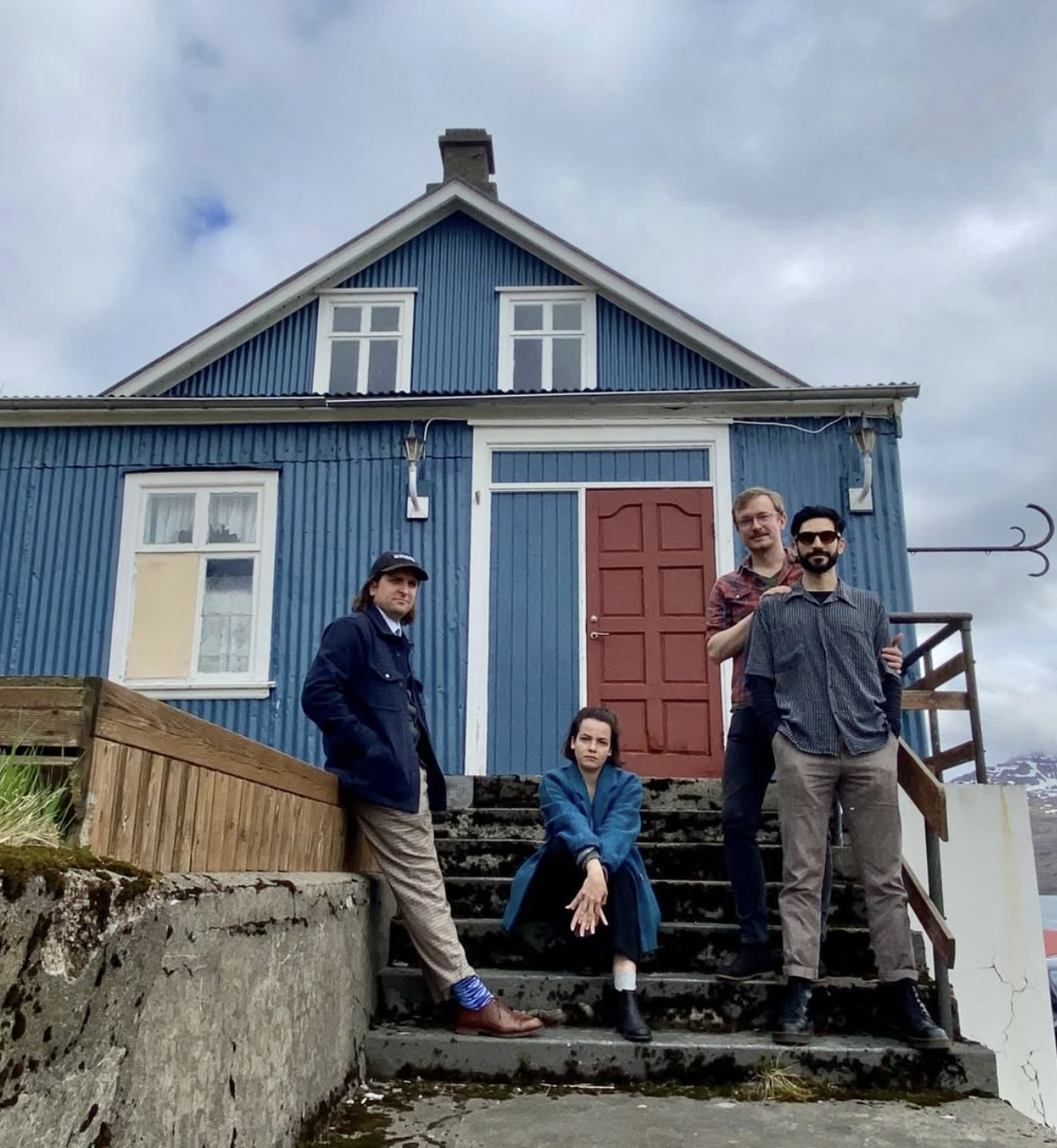
Updated concept and renovation plan
A long-term cultural, hospitality and heritage project in Fáskrúðsfjörður.
A blue meeting house gradually returning as a bistro, coffee shop, gallery, accommodation space and small cultural venue.
Concept
Templarinn is a long-term cultural, hospitality and heritage project in Fáskrúðsfjörður. The original plan was written when we purchased the building, with the aim of restoring it as a café, gallery and community space. Three years later, the central idea remains the same, but the project is now clearer, more realistic and more connected to the cultural work we are already doing in East Iceland.
Our aim is to gradually bring Templarinn back to life as a bistro / coffee shop, gallery, accommodation space and venue for cultural activities. We want it to become a warm, informal and active place where local people, artists, visitors and travellers can meet, not only as customers, but as participants in the cultural life of the building.
A small, generous public room for coffee, food and informal everyday meetings.
Art shows, talks, small concerts, screenings, workshops, pop-up dinners and festival activity.
Guest accommodation, artist stays, visiting collaborators or staff housing, depending on licensing and the final renovation route.
A careful continuation of the building's original role as a place for gathering, culture, food and public life.
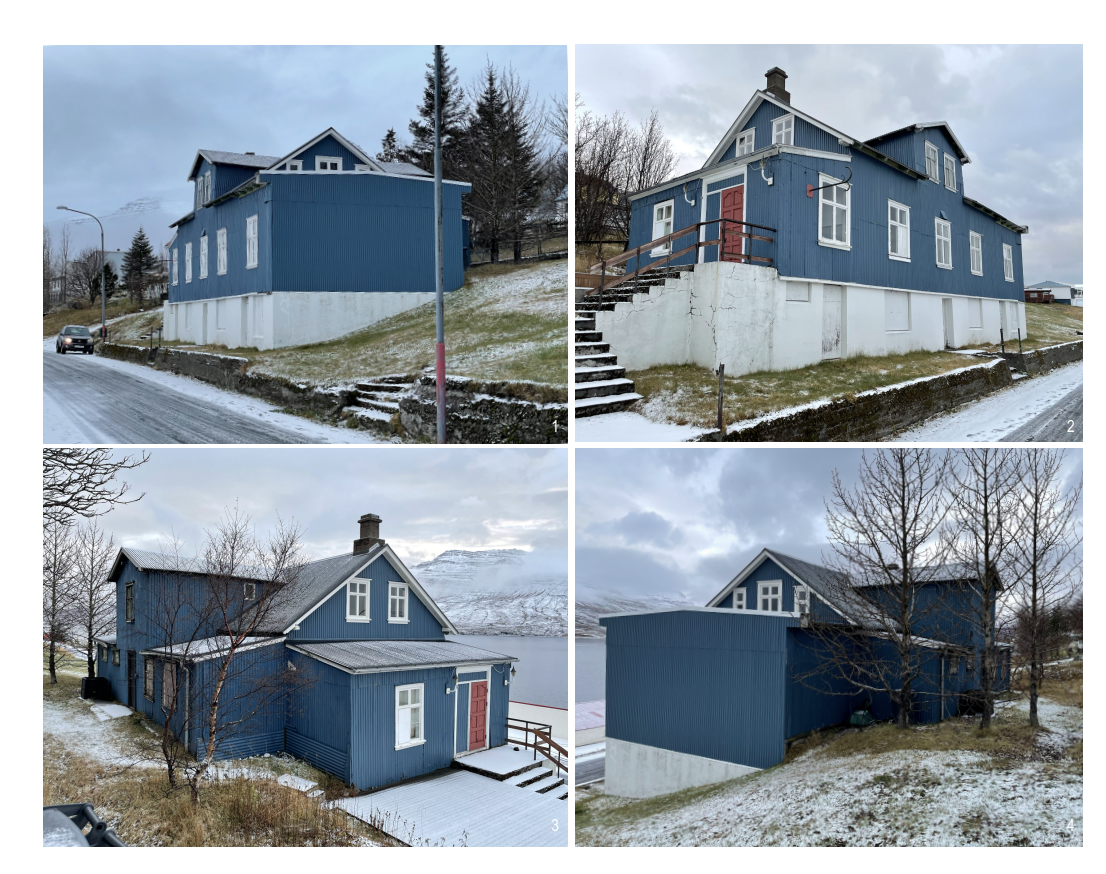
The building now
The immediate work is not decoration or opening quickly. The building needs to become dry, stable and technically safe before the public programme can develop properly.
The cellar and north side are the practical starting point: moisture, water pressure, foundations, timber walls and floors all need attention before the house can carry its next life.
History
Templarinn is one of the historic social and cultural houses of Fáskrúðsfjörður. It was likely built shortly before 1900 by the Good Templar lodge Elding and served for decades as an important gathering place for the town.
The building hosted temperance society meetings, public meetings, theatre, singing, sports demonstrations, dinners, Christmas events, dances and cinema screenings, with films shown there before 1930. It was also used for church services while Fáskrúðsfjarðarkirkja was under construction, before the church was consecrated in 1915.
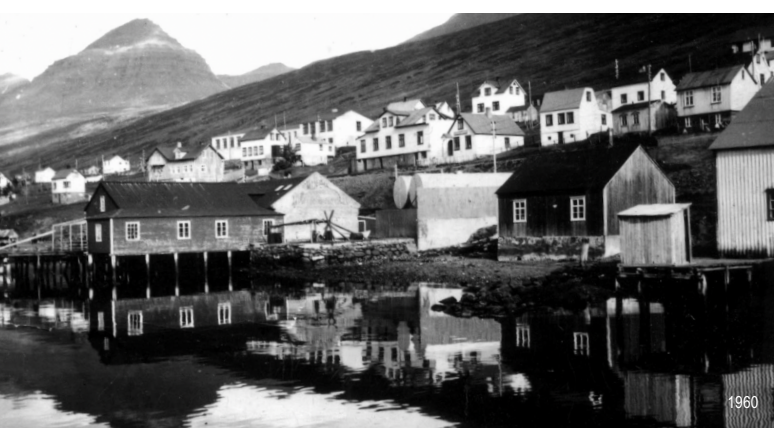
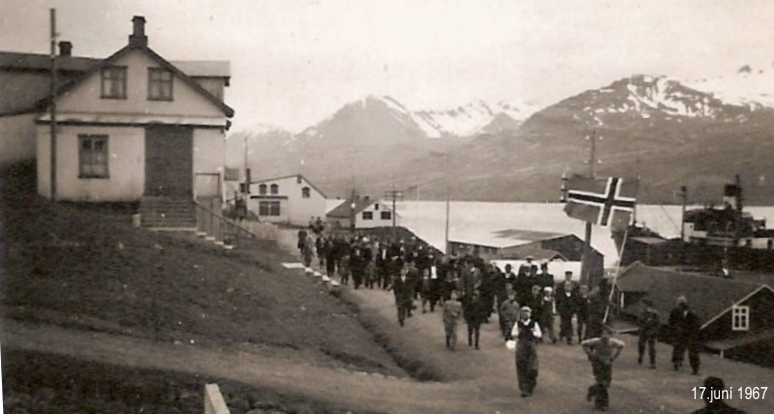
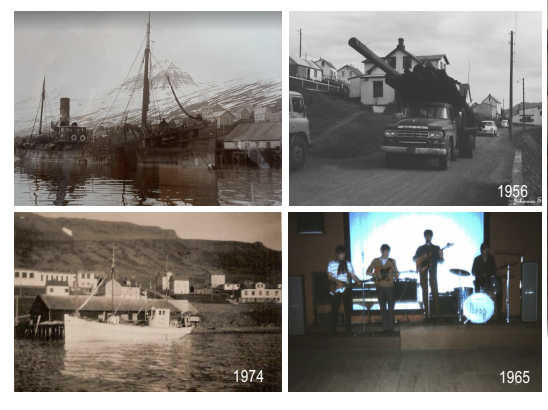
Census records list residents in the house in 1901, 1910 and 1940. People continued living in the attic until close to 1980.
Skrúður took over the main community-house role, but Templarinn remained part of local memory and use.
The house became home to the museum Fransmenn á Íslandi, before the museum later moved into the restored French hospital.
Renovation
In November 2024, an architectural renovation plan was prepared for Templarinn. The plan confirms the cultural and architectural value of the building and recommends that restoration follow heritage conservation principles, with careful attention to its historic character, materials and public role in the town.
In 2025, asbestos was removed from the building as an important preparatory step. In 2026, we are still in the first main renovation phase: drainage, waterproofing, foundation work and retaining structures. We have received grants from Minjastofnun Íslands for this work, supporting the careful restoration of the building and its long-term preservation.
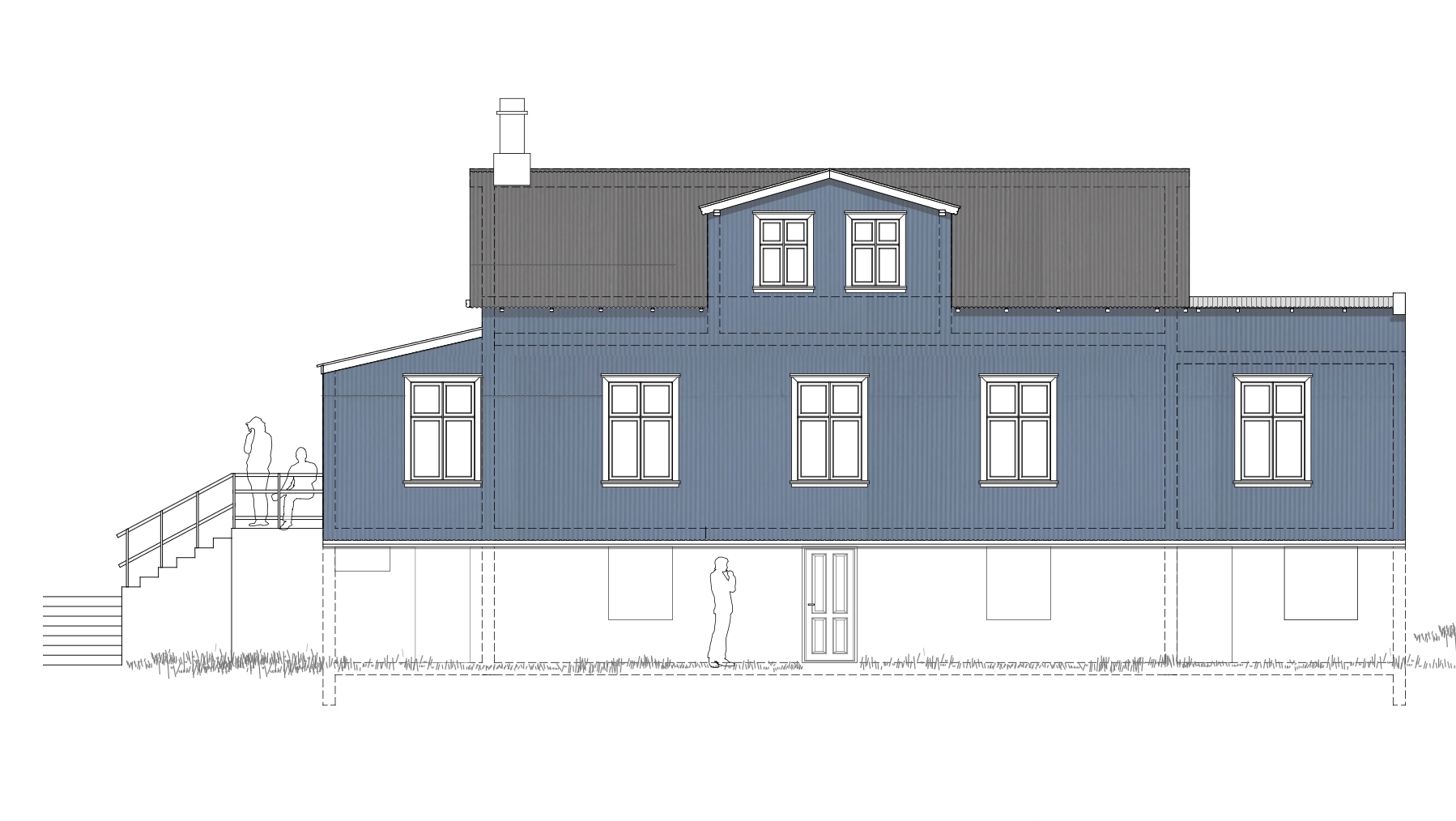
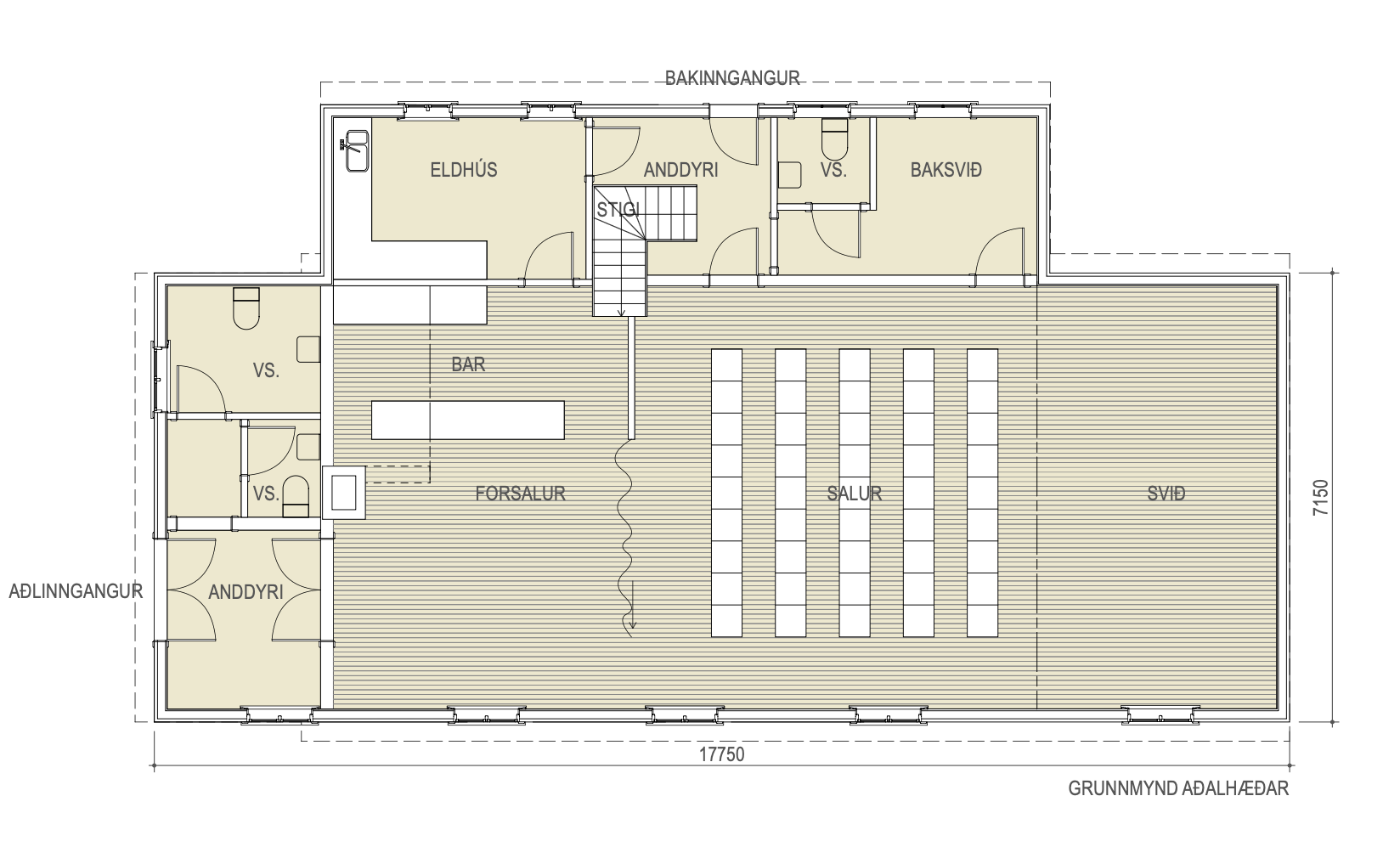
The public heart of the house: bistro, coffee shop, exhibition and event space, with supporting kitchen, toilets, entrance, storage and service areas.
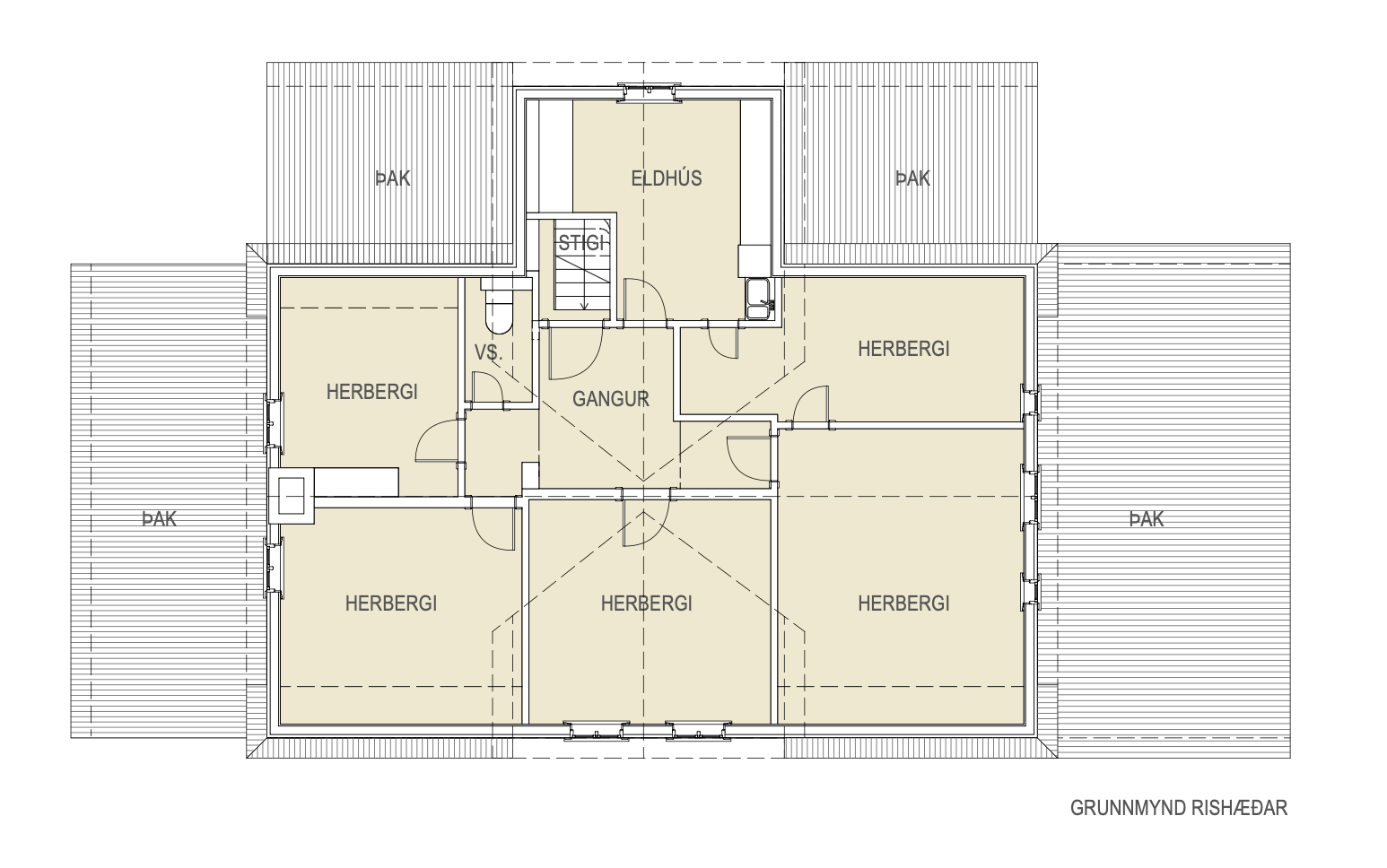
Accommodation supporting both the business and the cultural programme: guest rooms, artist stays, collaborators or staff use.
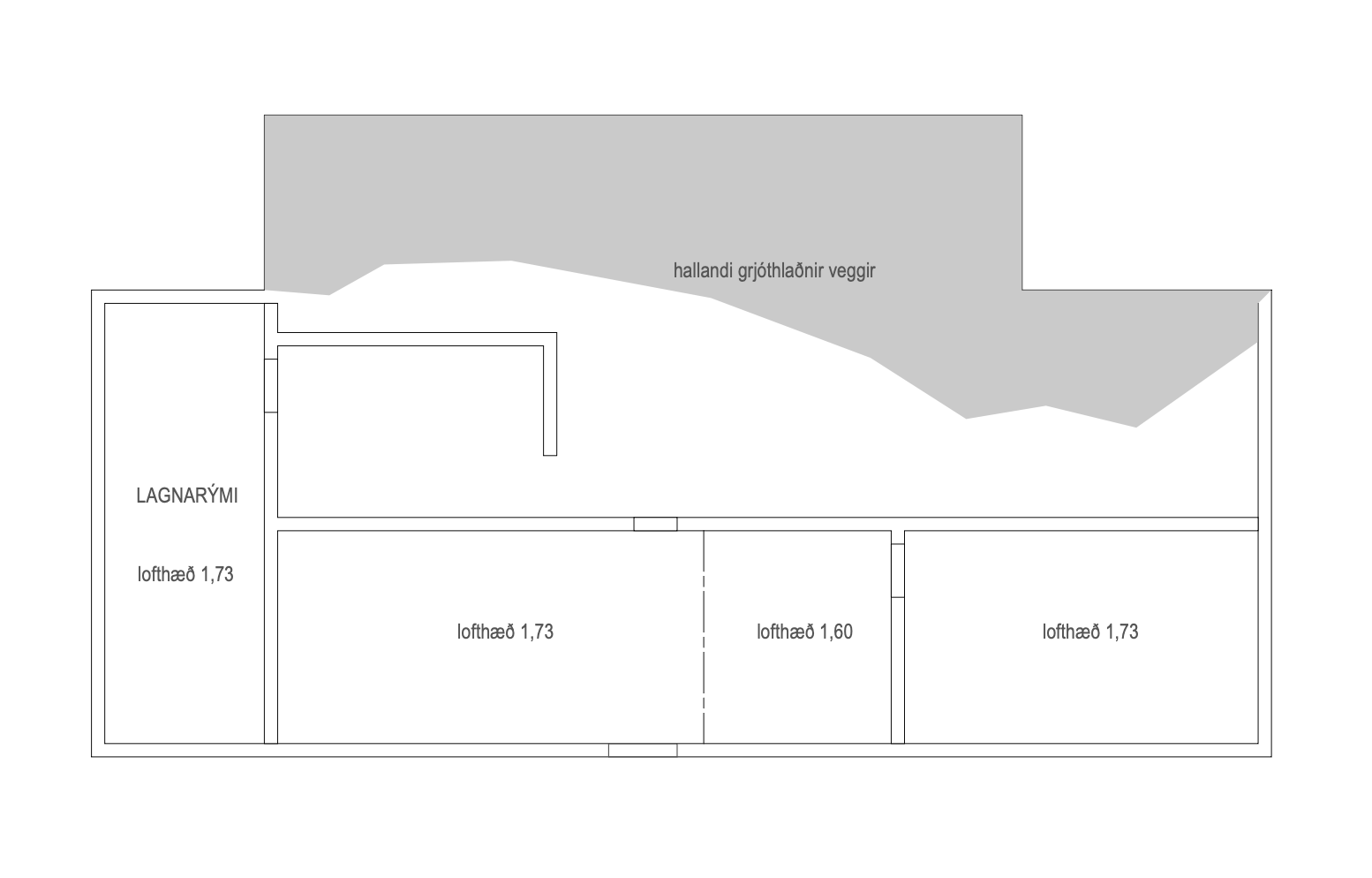
A practical support space for storage, technical functions, utilities and potentially later small-scale production or takeaway use.
Asbestos removal, drainage, waterproofing, foundation work, retaining structures and ground works on the north side.
Adapting the main floor for public and cultural use, including hall, kitchen, toilets, entrance areas, storage and support spaces.
Developing the upper floor for accommodation, artist stays, collaborators or staff use.
Completing exterior details, cellar improvements and further heritage-sensitive restoration.
Who we are
The project is run by the TEMPLE collective: Krzysztof Madejski, Dominika Janus, Rafał Koczanowicz and Marc Alexander Fulchini. We are cultural organisers, artists, academics and hospitality practitioners based between Stöðvarfjörður and Fáskrúðsfjörður.
Together, we combine experience in guest accommodation, concerts, artist residencies, exhibitions, film, public events, grant writing, local collaboration and heritage reuse.
Director of the Fish Factory Creative Centre in Stöðvarfjörður, working across cultural programming, residency operations, renovation planning, grant writing, organisational development and hospitality.
Works across project management, cultural organisation and international collaboration, supporting the administrative, strategic and community-facing dimensions of the project.
Works on cultural projects including a Polish film festival. His background in art history, culture, languages and hospitality supports Templarinn's curatorial and international profile.
An artist and cultural organiser working with Fjarðabyggð through Menningarstofa as a project manager, bringing local knowledge, artistic networks and municipal cultural experience.
Tiny Church
Templarinn is part of the wider work of TEMPLE collective. Together, we run the Tiny Church guesthouse in Stöðvarfjörður and an ongoing series of intimate concerts and cultural events there.
Through Tiny Church, we are already testing and developing the kind of intimate cultural hospitality that we want Templarinn to grow into on a larger scale.
Long-term vision
Templarinn was built as a meeting house, and for much of its life it was a place where people gathered, celebrated, debated, performed, watched films, ate together and took part in community life. Our plan is to restore that function in a contemporary form: a bistro, coffee shop, gallery, guest space and cultural venue rooted in the history of the house and the present-day creative life of East Iceland.
Visit